Lost in the Lanes of Fes: A View You’ll Never Forget
Walking through Fes feels like stepping into a living painting—one where every alley pulses with color, scent, and sound. I didn’t just visit the city; I experienced it through layers of history, craftsmanship, and unexpected beauty. From rooftop vistas to hidden courtyards, the way you see Fes changes everything. This is more than sightseeing—it’s a journey shaped by perspective, patience, and pure wonder. The city doesn’t reveal itself all at once. Instead, it unfolds slowly, rewarding those who look closely, move gently, and allow themselves to get delightfully lost. In Fes, the truest views aren’t found on postcards—they’re discovered in quiet glances, fleeting shadows, and the rhythm of daily life echoing through ancient stone.
Arrival in Fes: First Impressions That Challenge the Senses
The first moment you step into the medina of Fes el-Bali, the world shifts. The air grows thick with the scent of cumin, leather, and baking bread. Sounds layer upon one another—the clatter of donkey hooves on cobblestones, vendors calling out in Arabic and French, the distant hum of prayer drifting from a minaret. Visually, it’s overwhelming. A maze of narrow alleys branches in every direction, flanked by towering ochre walls and doorways that hint at hidden courtyards. There are no straight lines, no grid—only a centuries-old network that seems designed to confuse as much as to protect. For first-time visitors, this sensory rush can feel disorienting. But that disorientation is part of the experience, not a flaw.
Many travelers arrive via the modern Ville Nouvelle, Fes’s 20th-century extension, where wide boulevards and café terraces offer a gentler introduction. Transitioning from this orderly space into the old city is like crossing a threshold into another time. It’s important to prepare for this shift. Wear comfortable shoes—walking is the only way to navigate the medina. Keep your belongings secure, but avoid the tense, guarded posture that can come with navigating unfamiliar places. Instead, move with calm curiosity. Let your eyes adjust. Allow yourself to pause frequently. The initial visual chaos begins to make sense when you slow down. Patterns emerge—the way sunlight filters through a latticed window, the rhythm of shopkeepers arranging their wares, the geometry of hand-laid zellige tiles along a courtyard wall.
One of the most valuable tips for first-time visitors is to resist the urge to map everything. GPS rarely works within the medina’s dense walls, and digital navigation can become more of a distraction than a help. Instead, learn a few key landmarks: the Bab Boujloud gate with its iconic blue-tiled arch, the bustling Chouara Tannery, and the main souk streets that lead toward Al-Qarawiyyin Mosque. These serve as visual anchors. But even more important than orientation is openness. The most memorable moments in Fes often come from unplanned detours—turning down a quiet alley only to find a hidden fountain, or following the sound of hammering into a metalworker’s dimly lit shop. The city rewards those who embrace the unfamiliar with respect and a willingness to see without rushing.
The Art of Seeing: Why Viewpoints in Fes Matter More Than Monuments
In many cities, travel itineraries revolve around ticking off landmarks—the cathedral, the palace, the museum. But in Fes, the real journey is not about collecting sights but about refining the way you see. The city teaches a different kind of observation, one rooted in patience and presence. It’s not enough to glance; you must look deeply. A carved wooden door may seem ordinary at first, but upon closer inspection, reveals centuries of craftsmanship in its intricate patterns. A patch of peeling plaster on a wall might expose layers of paint from different eras, each a whisper of the past. These details form a visual language, and learning to read it transforms the experience of the city.
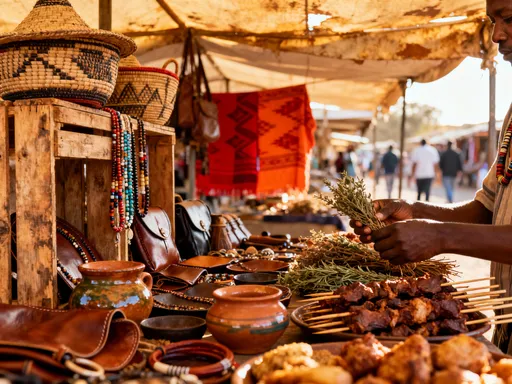
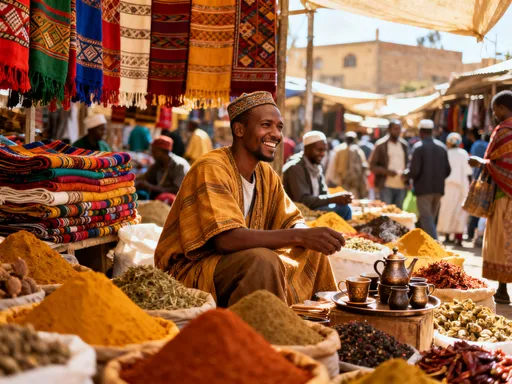
This shift—from passive viewing to active seeing—changes how travelers engage with Fes. Rather than rushing from one monument to the next, visitors begin to notice the rhythm of daily life. A woman balancing a tray of bread on her head, a boy chasing a ball through an alley, the way sunlight hits a fountain at mid-morning—these moments become as significant as any historical site. The city’s beauty is cumulative, built not in grand gestures but in quiet repetitions. This is especially true in the souks, where every stall offers a microcosm of visual richness. Spices are piled in mounds of saffron yellow, paprika red, and turmeric gold. Handwoven rugs display geometric designs passed down through generations. Copper lanterns catch the light, casting delicate shadows on the stone floor.
Seeing Fes this way requires a certain surrender. It means accepting that you won’t see everything—and that’s okay. It means allowing yourself to be drawn to small things: the way a cat stretches in a sunlit doorway, the sound of water dripping in a hidden courtyard, the texture of hand-tanned leather. These are not distractions from the “real” sights; they are the sights. By slowing down and refining your gaze, you begin to understand that in Fes, the act of looking is itself a form of discovery. The city doesn’t give up its secrets to the hurried. It reveals itself only to those who are willing to truly see.
Rooftop Revelations: Where the Medina Comes Alive
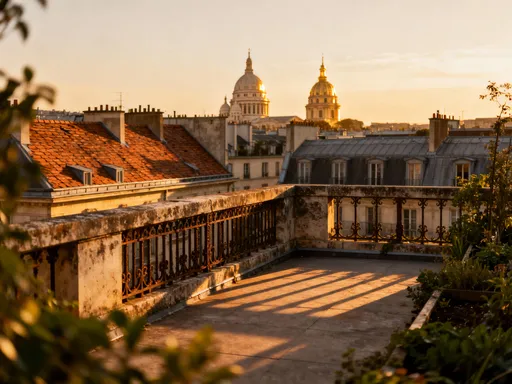
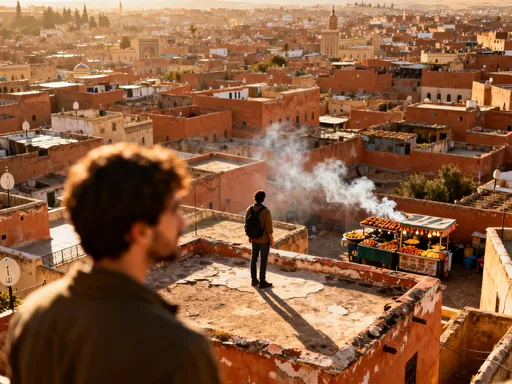
One of the most transformative ways to experience Fes is from above. While the ground-level view offers intimacy and detail, the elevated perspective from a rooftop provides context and awe. From just a few stories up, the medina transforms from a confusing maze into a living organism—its terracotta rooftops stretching like a patchwork quilt, smoke rising from food stalls, laundry flapping in the breeze. These vantage points offer a rare chance to take in the city’s vastness, to see how its layers fit together. And because the medina is largely car-free, the sounds from above are not of traffic but of life—children laughing, calls to prayer, the clinking of tea glasses in a nearby café.
Many traditional riads and guesthouses in Fes have rooftop terraces open to guests, often furnished with cushioned seating and shaded by awnings or palm fronds. These spaces are ideal for early evening, when the sun begins to dip and the city glows in warm amber light. Some cafés in the surrounding hills also offer panoramic views, though it’s important to choose spots that provide authentic, unfiltered perspectives rather than overly commercialized tourist traps. The best views aren’t always the most advertised. Sometimes, they come from simply asking a shopkeeper if you can climb a nearby staircase for a moment of quiet observation.
From this height, you begin to notice patterns—the way alleys converge around central squares, how light moves across the city throughout the day, the subtle differences in building styles between neighborhoods. You see the greenery too—potted plants on balconies, fig trees growing in courtyards, the occasional rooftop garden. These details are easy to miss at street level, where the focus is on navigating the path ahead. But from above, the medina reveals its poetry. The call to prayer, echoing from multiple minarets, becomes a symphony that rolls across the rooftops. The scent of grilling meat and mint tea rises with the evening air. Time seems to slow. In these moments, the city feels both ancient and vibrantly alive, a place where centuries of history coexist with the present.
Through the Eyes of Artisans: Observation as Cultural Immersion
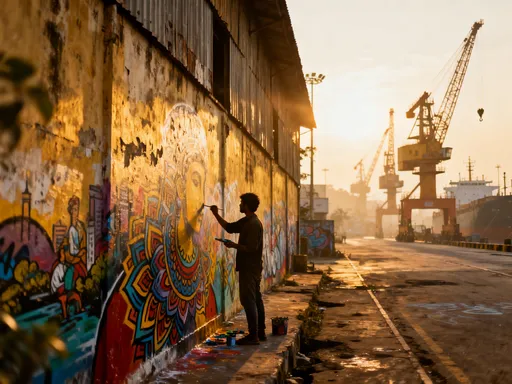
One of the most profound ways to see Fes is not through a camera lens but through the eyes of its artisans. The city has long been a center of craftsmanship, where skills are passed down through generations. Watching these artisans at work is not merely a visual experience—it’s a window into a way of life. In the tanneries, men in bare feet move between vats of dye, their hands stained from years of handling natural pigments. The process is ancient, unchanged for centuries, and observing it offers a deep respect for the labor behind every piece of leather. While the smell can be strong, the visual impact is unforgettable—the rainbow of dyes, the rhythmic movements, the way sunlight reflects off the liquid surfaces.
Similarly, in pottery workshops, artisans shape clay on hand-turned wheels, their movements precise and unhurried. After firing, the pieces are painted with traditional motifs—floral patterns, geometric designs, calligraphy—each stroke applied with care. Nearby, metalworkers hammer copper and brass into lanterns, trays, and teapots, their workshops filled with the constant, meditative sound of tapping. These are not performances for tourists; they are real workplaces, and visitors are often welcomed with quiet dignity. The artisans do not stop their work for photos, but they don’t mind being observed. There’s a mutual respect in the act of watching and being watched.
What makes these moments so powerful is the intimacy of observation. You’re not just seeing a finished product—you’re witnessing its creation. You see the concentration in a potter’s eyes, the calluses on a weaver’s hands, the way a craftsman steps back to inspect his work, tilting his head like an artist assessing a painting. These details convey a depth of understanding that no museum placard could match. And by observing with respect—without interrupting, without treating the scene as a spectacle—you become part of a quiet exchange. You’re not just a tourist; you’re a witness to tradition. This kind of seeing fosters connection. It reminds you that behind every object, every pattern, every scent in the medina, there is a person, a story, a lifetime of skill.
Light and Shadow: How Time of Day Transforms the City’s Face
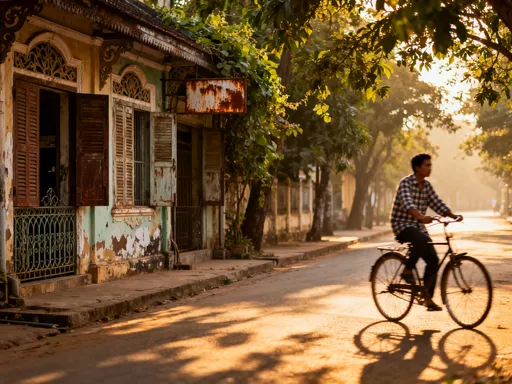
Fes is a city of light and shadow, and its appearance shifts dramatically from dawn to dusk. The quality of light doesn’t just affect photos—it changes the mood, the pace, the very texture of the streets. At sunrise, the medina is quiet, bathed in soft gold. Alleys that feel oppressive at midday are gentle and inviting in the morning glow. Shadows stretch long across the stone, creating natural frames for doorways and arches. This is an ideal time to walk, when the air is cool and the streets belong mostly to locals beginning their day. Bakers pull steaming loaves from clay ovens, shopkeepers sweep their thresholds, and the first calls to prayer echo through the stillness.
By midday, the sun is high, and the narrow alleys offer relief from the heat. Here, shadow becomes the dominant visual element. Sunlight filters down in slivers, illuminating only parts of a wall or a single step in a staircase. This creates a chiaroscuro effect—light and dark in sharp contrast—giving the city a dramatic, almost theatrical quality. It’s a good time to visit covered souks, where the dim lighting enhances the richness of colors in textiles and ceramics. The play of light through a stained-glass lantern or a carved wooden screen adds depth and mystery to the surroundings.
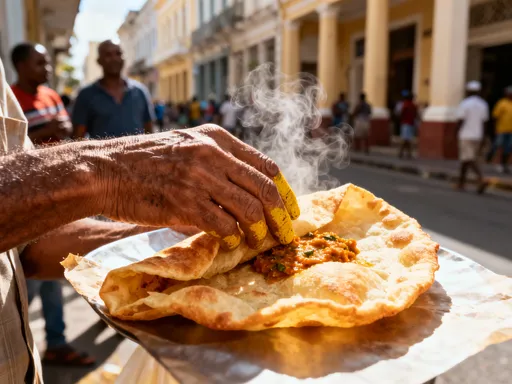
As afternoon turns to evening, the light warms again. The terracotta walls glow in hues of rose and amber, and the rooftops catch the last golden rays. This is when the city feels most alive—families gather in courtyards, children play in open squares, and the scent of cooking fills the air. For photography, the late afternoon offers the most flattering light, with soft highlights and rich tones. But beyond aesthetics, this time of day invites a different kind of seeing—one that’s more emotional, more connected. The city slows, and so do you. You begin to notice not just what things look like, but how they feel. The warmth of the sun on your skin, the sound of laughter from a nearby home, the way a grandmother watches her grandchildren with quiet pride. These are the moments that stay with you, not because they’re picturesque, but because they’re real.
Beyond the Medina: Scenic Escapes Within Reach
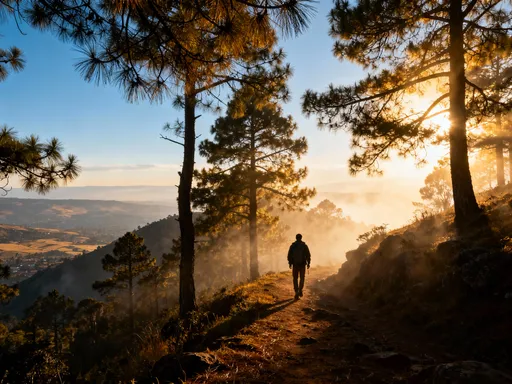
While the medina is the heart of Fes, stepping outside its walls offers valuable contrast and perspective. Just a short distance away, the landscape opens into hills, gardens, and quiet trails that provide visual relief from the density of the old city. These spaces don’t compete with the medina—they complement it. They offer room to breathe, to reflect, to see Fes from a distance. One of the most rewarding experiences is walking the trails along the hills surrounding the city. From these vantage points, you can see the medina in its entirety—its sea of red roofs, the minarets rising like sentinels, the way it nestles into the valley. The view is humbling, a reminder of the city’s scale and endurance.
Local gardens, too, provide peaceful respites. Some are traditional Islamic gardens, with symmetrical layouts, fountains, and shaded walkways. Others are more informal, with fruit trees, wildflowers, and benches tucked under olive branches. These green spaces follow the principle of balance—offering order and tranquility after the vibrant chaos of the souks. They are places to sit, to read, to sip mint tea in silence. Families often gather here, especially on weekends, making them ideal for quiet observation of daily life beyond the tourist paths.
Day trips to nearby villages or riverbanks also enrich the visual journey. A short walk outside the city might lead to a centuries-old bridge, a working mill, or a hillside with panoramic views. These excursions don’t require elaborate planning—sometimes the best discoveries happen by following a dirt path or asking a local for directions to a quiet spot. What they offer is perspective. By seeing Fes in relation to its surroundings, you gain a deeper appreciation for its place in the landscape and in history. And when you return to the medina, you see it differently—more clearly, more lovingly, with a renewed sense of wonder.
Seeing Differently: How Fes Changes the Way You Travel
The true legacy of a journey through Fes is not the photos you take or the souvenirs you bring home. It’s the way the city changes how you see. Long after you’ve left, you may find yourself noticing details you once overlooked—the grain of wood in a door, the pattern of tiles in a subway station, the way light falls across a wall in your own neighborhood. Fes teaches a slower, more intentional way of looking. It reminds you that beauty is not always grand or obvious. Often, it’s hidden in the ordinary, waiting to be noticed by someone who takes the time.
This shift in perception extends beyond travel. It influences how you move through your daily life—how you listen, how you connect, how you appreciate the people and places around you. The patience required to navigate the medina’s alleys becomes a metaphor for patience in general. The act of pausing to watch an artisan at work becomes a lesson in presence. The experience of getting lost and finding your way becomes a quiet affirmation of trust—in yourself, in others, in the journey itself.
Fes doesn’t offer easy answers or neatly packaged experiences. It asks something of you. It asks you to slow down. To look closely. To embrace confusion as part of understanding. And in return, it offers something rare: a view that stays with you not because of what you saw, but because of how you learned to see. So the next time you travel, consider this—not what sights you want to check off, but how you want to experience them. Let Fes be a guide. Let it teach you that the deepest journeys are not measured in miles, but in moments of true seeing. In the end, the most unforgettable view is the one that changes the way you look at the world.